
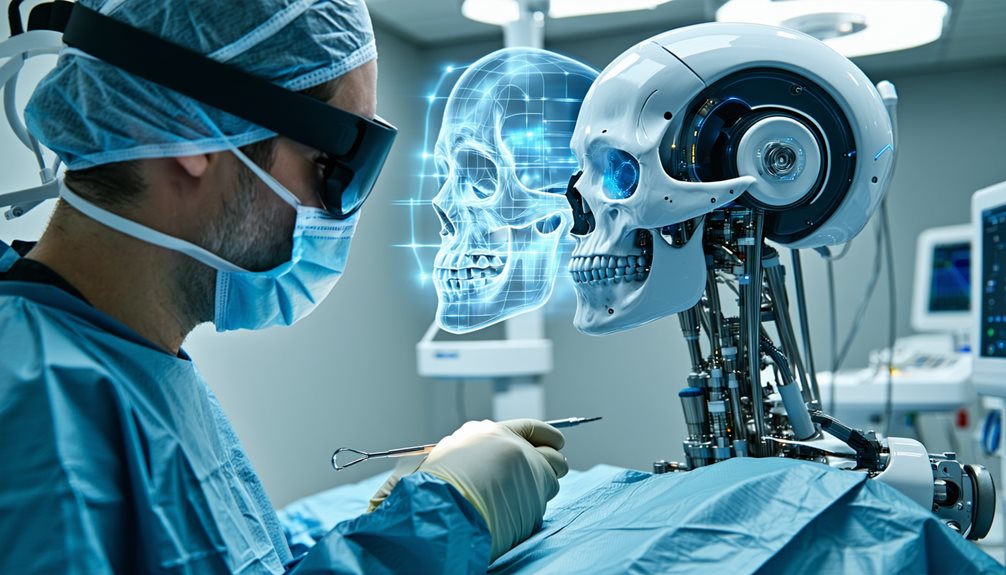
Innovative approaches in oral surgery practices are greatly enhancing patient outcomes by integrating mindfulness techniques, nutritional support, acupuncture, herbal remedies, and patient-centered care models. Mindfulness and stress reduction techniques improve surgical precision and reduce intraoperative stress, while nutritional interventions optimize recovery through essential vitamins and adequate protein intake. Acupuncture and herbal remedies offer effective pain management by stimulating endogenous opioids and reducing inflammation. Customizing care plans within a patient-centered framework fosters shared decision-making and improved overall satisfaction. These advancements promise considerable improvements in patient experiences and clinical outcomes, offering compelling insights into the future of oral surgery.
Mindfulness in Surgical Procedures
How does mindfulness integrate into the domain of oral surgery, enhancing both procedural efficacy and patient outcomes? The incorporation of mindfulness techniques into oral surgery practices is emerging as a transformative approach, fostering surgical focus and precision.
Mindfulness, defined as the intentional and non-judgmental awareness of the present moment, can notably enhance a surgeon’s ability to maintain cognitive control and dexterity during complex procedures. Studies have demonstrated that surgeons practicing mindfulness exhibit reduced intraoperative stress and increased concentration, leading to improved surgical outcomes.
Mindfulness techniques such as focused breathing and body scanning are instrumental in stabilizing the autonomic nervous system, which can mitigate physiological responses to stress. This stabilization not only bolsters the surgeon’s focus but also diminishes the likelihood of procedural errors.
Enhanced surgical focus results in more efficient operations and reduces overall operating time, which is beneficial for both patient and surgical team. In addition, the application of mindfulness extends beyond the operating theatre; it contributes to improved patient communication and empathy, which are critical in pre- and postoperative care.
As oral surgery continues to evolve, integrating mindfulness fosters an innovative paradigm, aligning technical proficiency with holistic patient care.
Nutritional Support for Healing
In the context of oral surgery, nutritional support is vital to optimize patient recovery and enhance wound healing.
Essential vitamins such as A, C, and D play important roles in collagen synthesis, immune function, and inflammatory modulation, thereby contributing considerably to the healing process.
In addition, adequate protein intake is essential as it provides the necessary amino acids for tissue repair and regeneration, underscoring its indispensable role in post-surgical recovery.
Essential Vitamins for Recovery
An array of vital vitamins plays a pivotal role in promoting ideal recovery following oral surgery, facilitating the body’s natural healing processes. Vitamin supplementation is a cornerstone in optimizing the recovery timeline, ensuring that patients benefit from enhanced tissue repair and reduced inflammation.
Specifically, Vitamin C, a well-documented antioxidant, is critical for collagen synthesis, which is integral to wound healing. Additionally, Vitamin A is known to promote epithelial cell growth and modulate immune responses, further advancing recovery post-surgery.
The inclusion of B-complex vitamins, particularly B12 and folate, is essential for cellular regeneration and DNA synthesis, thereby supporting rapid recovery. Vitamin D, while primarily associated with bone health, has been increasingly recognized for its role in modulating inflammatory responses and promoting antimicrobial activity, which are essential in the oral cavity post-surgery.
Current evidence suggests that a tailored approach to vitamin supplementation, based on individual deficiencies and surgical demands, can greatly enhance recovery outcomes.
As the field of oral surgery continually seeks innovative methods to improve patient care, the strategic integration of essential vitamins presents a promising avenue to optimize surgical recovery and patient satisfaction.
Protein’s Role in Healing
While vitamins play a significant role in optimizing recovery post-oral surgery, protein intake is equally important for its fundamental contribution to healing processes.
Proteins serve as building blocks in tissue regeneration and are essential in the protein synthesis necessary for wound healing. The anabolic processes triggered by adequate protein intake enhance collagen formation, a vital component in the structural repair of oral tissues.
Oral surgery patients benefit from a diet rich in high-quality protein sources, as these facilitate the rapid restoration of tissue integrity. Given the catabolic stress induced by surgical interventions, the demand for amino acids—a byproduct of protein metabolism—surges to support cellular repair and immune function.
Key considerations for incorporating protein into postoperative nutrition include:
- Adequate daily intake****: Ensuring sufficient protein consumption to avoid deficits that can impede healing.
- Bioavailability: Prioritizing sources that are easily absorbed and utilized by the body, such as whey protein or lean meats.
- Balanced amino acid profile: Including a variety of sources to cover all essential amino acids.
- Timing and distribution: Consuming protein at regular intervals to maintain a steady supply for tissue repair.
Acupuncture in Pain Management
Acupuncture, a cornerstone of traditional Chinese medicine, has emerged as a credible adjunctive approach for managing postoperative pain in oral surgery. Recent studies have demonstrated that specific acupuncture techniques can modulate pain perception by stimulating peripheral nerves, which in turn activate central nervous system pathways. This leads to the release of endogenous opioids, thereby reducing the need for pharmacological interventions.
Electroacupuncture, a modern advancement of traditional acupuncture, has shown increased efficacy in pain reduction by delivering electrical impulses through needles inserted at key meridian points.
The acupuncture benefits extend beyond mere analgesia. It has been noted to enhance patient recovery by promoting blood circulation and reducing inflammation, which are essential for effective wound healing.
Additionally, the integration of acupuncture into oral surgery practice can potentially diminish the incidence of opioid-related side effects and dependencies. The evidence supporting acupuncture’s role in postoperative care is robust, with numerous randomized controlled trials underscoring its efficacy and safety.
Herbal Remedies and Oral Health
Herbal remedies have gained traction in oral health due to their potential benefits, including anti-inflammatory and antimicrobial properties that may complement conventional treatments.
Key herbal ingredients such as chamomile, clove, and aloe vera are frequently utilized for their therapeutic effects on oral tissues.
However, the safety and efficacy of these treatments must be critically assessed through rigorous clinical studies to establish standardized protocols in oral surgery practice.
Benefits of Herbal Treatments
Recent advances in oral surgery have embraced the integration of herbal treatments, leveraging their potential benefits to enhance patient care and outcomes. The concept of herbal synergy, where multiple plant-based compounds work collectively, is central to these innovations. This synergy provides a multifaceted approach to patient management, fostering improved healing processes and reduced inflammation.
The utilization of natural analgesics derived from herbs is particularly promising, offering an alternative to conventional pharmacological agents. Such natural analgesics demonstrate efficacy in reducing postoperative pain, thereby minimizing reliance on opioids and mitigating associated side effects.
Incorporating herbal treatments into oral surgery practice offers several advantages:
- Reduced Side Effects: Herbal remedies often present fewer adverse reactions compared to synthetic medications.
- Enhanced Healing: Certain herbs promote faster tissue repair and regeneration.
- Cost-Effectiveness: Herbal treatments can be more economical, reducing overall healthcare costs.
- Patient Preference: Growing consumer demand for natural therapies aligns with contemporary patient preferences.
The evidence-based integration of these herbal modalities underscores a commitment to innovation in oral healthcare, aligning with patient-centered approaches and sustainable practices.
Popular Herbal Ingredients
Building upon the advantages of herbal treatments in oral surgery, it is pertinent to examine specific herbal ingredients that have demonstrated efficacy in oral health applications. Among these, clove oil, derived from Syzygium aromaticum, stands out due to its eugenol content, a compound recognized for its potent natural analgesic properties. Research indicates that eugenol can effectively reduce pain and inflammation, making it a valuable adjunct in postoperative care.
Another notable herbal extract is Aloe vera, which contains bioactive compounds with anti-inflammatory and antimicrobial effects.
Aloe vera gel can be applied topically to promote healing of oral mucosal lesions and postoperative surgical sites. Its polysaccharides enhance cellular proliferation, expediting tissue regeneration.Chamomile (Matricaria chamomilla), rich in flavonoids, also exhibits anti-inflammatory and analgesic effects. It has been utilized to alleviate discomfort associated with oral surgery, providing a soothing effect on inflamed tissues.
Lastly, green tea (Camellia sinensis) is recognized for its catechins, specifically epigallocatechin gallate (EGCG), which exhibit antibacterial properties against oral pathogens.
Incorporating these herbal extracts into oral surgery practices not only offers natural analgesic benefits but also aligns with the growing demand for integrative health approaches.
Safety and Effectiveness
Guaranteeing the safety and effectiveness of herbal remedies in oral health requires a rigorous evaluation of their pharmacological properties and potential interactions with conventional treatments.
The integration of herbal remedies into oral surgery practices necessitates adherence to surgical protocols that prioritize patient safety. This involves a thorough understanding of the bioactive compounds present in herbal remedies and their pharmacokinetics and pharmacodynamics.
Recent studies highlight the importance of standardizing herbal formulations to guarantee consistent therapeutic outcomes. Standardization can mitigate risks associated with variability in potency and efficacy. Furthermore, the incorporation of evidence-based assessments into clinical practice can facilitate informed decision-making.
-
Pharmacological interactions: Herbal remedies may interact with anesthetics or antibiotics, impacting surgical outcomes and patient recovery.
-
Quality assurance: Rigorous quality control measures are essential to verify the purity and concentration of herbal constituents.
-
Patient education: Educating patients on potential risks and benefits guarantees informed consent and enhances adherence to treatment regimens.
-
Regulatory compliance: Adherence to regulatory guidelines guarantees that herbal products meet established safety standards.
Emphasizing innovation in oral surgery practices involves embracing integrative approaches that combine traditional and herbal medicine while maintaining stringent safety protocols.
This approach not only enhances therapeutic efficacy but also optimizes patient safety and satisfaction.
Stress Reduction Techniques
Addressing the psychological component of oral surgery, stress reduction techniques play an essential role in enhancing patient outcomes and overall experience.
Integrating evidence-based methodologies such as breathing exercises and visualization techniques into preoperative and perioperative protocols has demonstrated significant efficacy in mitigating anxiety levels. Breathing exercises, particularly diaphragmatic breathing, facilitate autonomic regulation by activating the parasympathetic nervous system. This physiological response reduces cortisol levels and lowers heart rate, contributing to a state of relaxation conducive to surgical procedures.
Visualization techniques, another cornerstone in stress reduction, involve guiding patients through imagined scenarios that induce calmness and focus. These mental exercises can be tailored to individual preferences, allowing patients to mentally rehearse the procedure in a positive light. Research underscores the effectiveness of visualization in decreasing preoperative anxiety, thereby promoting smoother recoveries.
Combining these techniques with traditional pharmacological interventions offers a multidimensional approach to stress management in oral surgery.
Patient-Centered Care Models
The implementation of patient-centered care models in oral surgery represents a transformative shift towards individualized treatment strategies that prioritize patient engagement and participation. Central to these models is the concept of shared decision making, a collaborative process wherein clinicians and patients work together to make informed decisions that align with the patient’s values and preferences. This approach fosters a personalized treatment plan, enhancing patient satisfaction and adherence to prescribed regimens.
Evidence suggests that patient-centered models improve clinical outcomes by integrating patient feedback into the treatment process. Key components of these models include:
-
Active patient involvement: Ensuring that patients are informed participants in their healthcare decisions.
-
Customized care plans: Developing treatment strategies tailored to the individual needs and circumstances of each patient.
-
Enhanced communication: Facilitating open dialogue between patients and healthcare providers to clarify expectations and treatment objectives.
-
Continuous feedback mechanisms: Implementing systems to collect and incorporate patient feedback for ongoing care improvements.
Studies have shown that these models can lead to reduced anxiety, improved pain management, and overall better recovery experiences for patients.
As oral surgery continues to evolve, embracing patient-centered care models will be essential in driving innovation and enhancing the quality of care delivered.
Frequently Asked Questions
How Has Technology Improved Diagnostics in Oral Surgery?
Technology has greatly enhanced diagnostics in oral surgery through digital imaging and predictive analytics. Digital imaging provides detailed anatomical insights, while predictive analytics enables accurate prognosis and treatment planning, thereby improving patient outcomes and procedural efficiency.
What Role Does Telemedicine Play in Oral Surgery Consultations?
Telemedicine, through virtual consultations, greatly enhances patient accessibility in oral surgery. It allows for pre-operative assessments, post-operative follow-ups, and specialist interactions, thereby streamlining care delivery and ensuring thorough, timely, and efficient surgical planning and management.
How Do 3D Printing Technologies Assist in Complex Oral Surgeries?
3D printing technologies enhance complex oral surgeries by enabling precise surgical planning through accurate anatomical models. They facilitate patient education, offering tangible visual aids to better understand procedures, thereby fostering informed decision-making and improved patient outcomes.
What Are the Benefits of Laser Technology in Oral Surgical Procedures?
Laser technology enhances oral surgical procedures by considerably improving surgical precision, minimizing tissue damage, and reducing postoperative discomfort. These advancements contribute to increased patient comfort and safety, aligning with the overarching goal of innovation in surgical practices.
How Is Artificial Intelligence Transforming Oral Surgery Practices?
Artificial intelligence is revolutionizing oral surgery by leveraging AI algorithms for enhanced diagnostics, integrating robotics for precision operations, utilizing predictive analytics to anticipate outcomes, and optimizing data management for improved treatment planning and patient care efficiencies.
Conclusion
The integration of mindfulness, nutritional support, acupuncture, herbal remedies, and stress reduction techniques in oral surgery exemplifies a multifaceted approach to enhancing patient outcomes. Evidence indicates that such practices may improve healing processes, manage pain effectively, and promote overall oral health. Moreover, patient-centered care models emphasize tailored treatment plans, fostering improved satisfaction and adherence to postoperative protocols. Future research should continue to assess the efficacy of these innovative strategies to further validate their role in modern oral surgery practices.

