
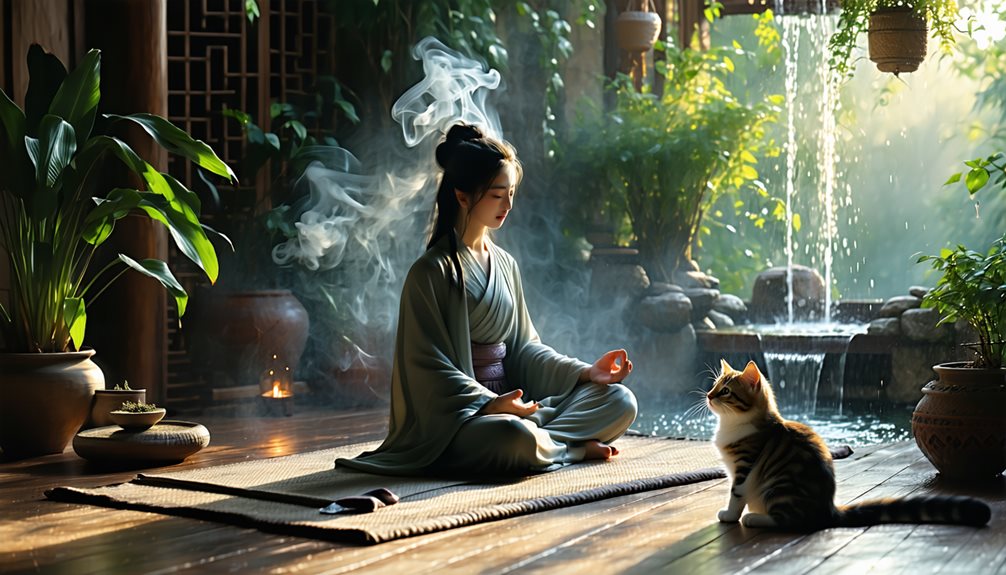
Holistic practices for anxiety-free visits encompass a range of thoughtful approaches designed to ease both mind and body. These include creating a calming environment with ambient lighting, soothing colors, and natural elements. Incorporating mindfulness and breathing techniques can enhance emotional balance and promote relaxation. Utilization of aromatherapy and natural sedation, such as essential oils and herbal supplements, offers serene alternatives to traditional methods. Gentle communication and active listening are essential for patient comfort and trust. Additionally, non-invasive dental procedures and music therapy contribute to an engaging, stress-free experience. Explore these integrative strategies for a deeper understanding of their benefits.
Understanding Holistic Dentistry
Holistic dentistry, often characterized by its integration of mind, body, and spirit, offers an all-encompassing approach to oral health care. Rooted in holistic principles, this discipline seeks to harmonize dental practices with the overall well-being of patients, thereby promoting not only oral health but also overall wellness.
Emphasizing the interconnectedness of bodily systems, holistic dentistry recognizes that oral health can greatly influence systemic health, and vice versa. It advocates for treatments that consider the patient as a whole, rather than isolating dental issues from the rest of the body.
Patient comfort is paramount within this framework, as practitioners endeavor to alleviate anxiety and foster a soothing experience. Through compassionate care, holistic dentistry prioritizes patient needs, employing minimally invasive procedures that reduce stress and discomfort.
This patient-centric approach encourages active participation in treatment decisions, ensuring that care plans are tailored to individual preferences and health goals.
Furthermore, holistic dentistry often incorporates alternative methods such as nutrition counseling, biocompatible materials, and natural supplements. By doing so, it seeks to minimize the use of potentially harmful substances, aligning with the desires of patients who prioritize health-conscious choices.
Fundamentally, holistic dentistry serves as a beacon of innovation, guiding patients towards thorough, mindful care.
Creating a Calming Environment
How can dental practices transform into sanctuaries of peace and relaxation for anxious patients? The key lies in creating a calming environment that envelops patients with tranquility from the moment they enter.
By integrating ambient lighting and soothing colors, dental spaces can become havens that ease anxiety naturally. Ambient lighting, with its soft, diffused glow, can replace harsh overhead lights, reducing stress and promoting a sense of calm. This subtle shift in illumination can notably impact the mood of patients, making them feel more at ease.
Soothing colors play an equally essential role. By selecting a palette of soft blues, gentle greens, and warm earth tones, dental practices can create a visual landscape that calms the mind and soothes the senses. These colors, reminiscent of natural environments, can evoke feelings of safety and serenity, fundamental for alleviating dental anxiety.
Furthermore, integrating natural elements such as indoor plants or water features can complement the calming effects of ambient lighting and soothing colors. Together, these thoughtful design choices foster an environment where patients can experience dental care as a holistic journey, one that nurtures both their physical and emotional well-being.
Mindfulness Techniques for Patients
Mindfulness techniques offer patients a pathway to tranquility and focus during their visits, reducing anxiety and promoting a sense of calm.
By incorporating focused breathing exercises, guided imagery practices, and present moment awareness, patients can cultivate a deeper connection with their inner peace, enhancing their overall experience.
These practices empower individuals to embrace the present, fostering a supportive environment for both emotional and physical well-being.
Focused Breathing Exercises
Many find solace and tranquility through focused breathing exercises, an integral component of mindfulness techniques designed to ease anxiety. These exercises harness the power of controlled breathing patterns to promote anxiety reduction, ultimately fostering a peaceful state of mind.
By paying close attention to the rhythm of one’s breath, individuals can cultivate an internal environment of calmness and clarity, reducing stress levels and enhancing overall well-being.
The practice is both simple and profound, offering numerous benefits:
- Enhances mental clarity****: Focusing on breath can clear mental clutter and improve concentration.
- Promotes emotional balance****: Regular practice aids in stabilizing mood swings.
- Encourages relaxation: Deep, slow breaths signal the body to relax, counteracting stress responses.
- Boosts resilience: Strengthening the mind-body connection enhances one’s ability to handle stress.
- Improves focus: Consistent practice sharpens attention, fostering a more present mindset.
Incorporating focused breathing into daily routines invites a sense of empowerment and innovation, as individuals learn to manage their physiological responses to stress.
This mindful approach not only addresses immediate anxiety concerns but also lays the groundwork for long-term emotional resilience.
Guided Imagery Practices
Guided imagery practices, a cornerstone of mindfulness techniques, invite patients to tap into their imagination to foster a sense of peace and reduce anxiety. These practices leverage visualization techniques and mental imagery to create calming scenarios that can transport individuals to a tranquil state of mind. By painting vivid mental pictures, patients can journey to serene landscapes or envision themselves achieving personal goals, thereby cultivating a restorative mental escape from stressors.
This innovative approach empowers individuals to harness their own creative faculties, fostering a deeper connection between mind and body. When engaging in guided imagery, patients are encouraged to use all their senses, imagining the sounds, smells, and sensations of their chosen peaceful environment. This multisensory involvement enhances the experience, making it more immersive and effective in alleviating anxiety.
Healthcare practitioners can tailor guided imagery practices to suit the unique needs of each patient, ensuring a personalized experience that amplifies its therapeutic benefits. By integrating these visualization techniques into holistic health practices, patients are given a powerful tool to reclaim control over their mental well-being.
Such practices not only mitigate anxiety but also promote resilience, encouraging patients to envision and actualize their potential for inner peace.
Present Moment Awareness
When cultivating present moment awareness, patients learn to anchor their attention in the here and now, which is a fundamental aspect of mindfulness techniques. This practice empowers individuals to experience life directly, free from the distractions of past regrets or future anxieties.
By embracing present awareness, patients can foster a serene mindset conducive to anxiety-free visits. Mindful breathing serves as a cornerstone of this process, allowing patients to connect deeply with their current experiences and sensations.
To enhance present moment awareness, patients can incorporate the following innovative techniques:
- Mindful Breathing: Focus attention on the rhythm of each breath, cultivating a calming presence.
- Sensory Exploration: Engage all senses to fully experience the environment, enhancing grounding and focus.
- Body Scan: Gently shift awareness through different body parts to identify and release tension.
- Thought Observation: Notice thoughts without judgment, fostering a non-reactive approach to mental activity.
- Gratitude Practice: Reflect on present blessings, encouraging a positive and centered mindset.
These mindfulness techniques provide patients with the tools to navigate anxiety with resilience.
Aromatherapy in Dental Clinics
Incorporating aromatherapy into dental clinics can greatly enhance the patient experience by utilizing essential oils known for their calming properties.
Carefully chosen scents such as lavender and chamomile can create a soothing environment, easing anxiety and promoting relaxation during dental procedures.
Essential Oil Benefits
Often regarded as a cornerstone of holistic health, aromatherapy has found its way into dental clinics as a compassionate approach to easing patient anxiety. By utilizing aromatic blends, dental professionals are able to create an environment that facilitates tranquility and comfort.
Scent therapy, a well-established technique, harnesses the power of essential oils to promote relaxation and improve overall patient experience.
The benefits of essential oils in dental settings are numerous and significant:
-
Stress Reduction: The calming effects of specific oils can help reduce stress and anxiety, making dental visits more pleasant.
-
Enhanced Relaxation: Certain aromatic blends are known for their ability to soothe the nervous system, leading to a more relaxed state.
-
Improved Patient Satisfaction****: By integrating scent therapy into their practice, clinics can enhance patient satisfaction and loyalty.
-
Non-Invasive Comfort: Essential oils provide a natural, non-invasive method of promoting comfort without the need for medication.
-
Holistic Integration: Incorporating essential oils aligns with holistic health practices, offering a more thorough approach to patient care.
Calming Scent Choices
Selecting the right calming scents is a critical component of employing aromatherapy effectively in dental clinics. As patients often experience heightened anxiety, the thoughtful integration of aromatherapy can transform a clinic into a sanctuary of calm.
The art of scent selection involves choosing essential oils known for their anxiety-reducing properties. Lavender, renowned for its soothing capabilities, serves as a foundational element in many calming blends. Its gentle floral notes can ease tension and promote relaxation.
Peppermint, with its invigorating yet calming aroma, can also alleviate stress and enhance focus, making it an excellent choice for pre-procedural environments. Similarly, chamomile offers a sweet, apple-like fragrance, providing a comforting effect that can mitigate dental anxiety.
Blending these oils with bergamot, known for its mood-lifting properties, can cultivate a harmonious atmosphere.
Implementation Techniques
Cultivating a serene environment in dental clinics through aromatherapy requires mindful implementation techniques that prioritize patient comfort and well-being.
As dental anxiety remains a prevalent concern, integrating aromatherapy offers a promising solution for anxiety management. Mindful preparation is essential in creating a therapeutic atmosphere that supports patient relaxation and alleviates stress.
To seamlessly incorporate aromatherapy, consider the following strategies:
-
Customizable Scent Options: Allow patients to select from a variety of calming scents, fostering a sense of control and personalization in their care.
-
Diffusion Methods: Employ safe and efficient diffusion methods, such as ultrasonic diffusers, to guarantee consistent and subtle fragrance delivery throughout the clinic.
-
Pre-visit Consultation: Engage patients in a pre-visit discussion to understand their scent preferences and any potential allergies, underscoring a patient-centered approach.
-
Staff Training: Train staff in the principles of aromatherapy to guarantee knowledgeable application and to address any patient inquiries effectively.
-
Evaluation and Feedback: Implement a system for evaluating patient feedback on aromatherapy experiences to refine and enhance the service continuously.
Natural Sedation Options
Nature’s own remedies offer a gentle yet effective approach to easing anxiety, particularly for those seeking alternatives to pharmaceutical interventions.
Central to this approach are herbal supplements and relaxation techniques, both offering a pathway to tranquility that aligns with nature’s soothing embrace.
Herbal supplements like chamomile and valerian root, known for their calming properties, can ease tension and promote serenity without the side effects often associated with synthetic sedatives. These botanicals, rooted in centuries of traditional use, are now gaining scientific validation for their efficacy in reducing anxiety symptoms.
When used mindfully, they can be a cornerstone in developing a personalized anxiety management plan.
Complementary to herbal supplements, relaxation techniques such as deep breathing exercises, progressive muscle relaxation, and guided imagery serve as powerful tools for achieving a state of calm.
These practices not only reduce the physiological symptoms of anxiety but also empower individuals to harness their inner capacity for peace.
Embracing these innovative natural sedation options allows for an integrative approach to wellness, fostering a compassionate environment for anxiety-free experiences.
Herbal Remedies for Relaxation
Herbal remedies offer a compassionate and integrative path to relaxation, leveraging nature’s time-honored botanicals to soothe the mind and body. Such practices have gained recognition for their efficacy in promoting tranquility and reducing anxiety.
By embracing these natural solutions, individuals can cultivate a sense of calm and well-being in a holistic manner.
Chamomile tea and valerian root are two of the most esteemed herbal remedies for relaxation. Chamomile tea, with its gentle, floral notes, has long been celebrated for its calming effects, often used to ease tension and promote restful sleep.
Valerian root, noted for its sedative properties, can aid in reducing anxiety and enhancing sleep quality.
Consider the following innovative herbal options to foster relaxation:
- Chamomile Tea: Known for its anti-inflammatory properties and soothing effects.
- Valerian Root: A natural sedative that may improve sleep and reduce stress.
- Lavender: Often used in aromatherapy for its calming and mood-enhancing properties.
- Lemon Balm: Can help reduce stress and improve mood.
- Passionflower: May alleviate anxiety and promote relaxation without sedation.
These remedies serve as a bridge to tranquility, offering an integrative approach to managing anxiety.
Gentle Communication Practices
In fostering anxiety-free visits, gentle communication practices play a vital role by creating a safe and supportive environment.
By incorporating active listening techniques, practicing empathy in conversation, and being mindful of nonverbal communication cues, we can enhance the quality of interactions and promote a sense of calm.
These practices not only build trust but also encourage meaningful connections, paving the way for a more holistic experience.
Active Listening Techniques
Active listening is a cornerstone of gentle communication practices, facilitating meaningful connections and reducing anxiety during interactions. By employing active feedback and reflective listening, individuals can create an environment where participants feel heard and valued. This approach not only supports the flow of dialogue but also fosters a sense of safety and understanding, essential for anxiety-free exchanges.
The practice of active listening involves several key techniques that are both innovative and compassionate:
-
Focus on the Speaker: Give full attention, demonstrating genuine interest in their words and emotions.
-
Reflective Listening: Paraphrase what the speaker has said to confirm understanding and show empathy.
-
Suspend Judgment: Approach conversations without preconceived notions, allowing ideas to unfold naturally.
-
Ask Clarifying Questions****: Encourage deeper exploration of thoughts and feelings, promoting clarity and insight.
-
Provide Active Feedback: Offer thoughtful responses that validate the speaker’s experience and encourage ongoing dialogue.
These active listening techniques integrate mindfulness with effective communication strategies, promoting a harmonious exchange.
Empathy in Conversation
Building upon the foundation of active listening, empathy in conversation emerges as a vital element of gentle communication practices. In the domain of holistic approaches, empathy development is not merely an option but a transformative necessity. It is the art of deeply understanding and resonating with another’s emotional landscape, which can greatly reduce anxiety and foster a sense of safety and connection.
By implementing innovative communication strategies, individuals can cultivate an environment where mutual respect and understanding thrive. One effective strategy is to engage in reflective listening, where the listener mirrors the speaker’s feelings and concerns, demonstrating genuine engagement. This not only validates the speaker’s experience but also encourages open dialogue, paving the way for deeper understanding.
Additionally, asking open-ended questions can invite expansive conversations, allowing individuals to express themselves more fully without the fear of judgment. Incorporating empathy into conversations requires a mindful awareness of one’s own biases and assumptions, which can cloud genuine understanding.
Nonverbal Communication Cues
Nonverbal communication cues, a cornerstone of gentle communication practices, play an essential role in shaping anxiety-free interactions.
These subtle signals often surpass words, offering a compassionate way to connect with others in a mindful and integrative manner. Understanding and implementing effective nonverbal cues can greatly mitigate anxiety and foster a sense of safety and trust.
Key elements to reflect on include:
-
Body Language: Open and relaxed postures can invite dialogue and reduce tension, signaling to others that they are welcome and valued.
-
Facial Expressions: A soft smile or gentle eye contact conveys warmth and understanding, helping to create a calm and reassuring atmosphere.
-
Gestures: Thoughtful gestures, such as nodding, can demonstrate active listening and engagement, reinforcing a supportive environment.
-
Proximity: Respecting personal space is vital, as it can either comfort or discomfort, depending on individual preferences and cultural contexts.
-
Tone of Voice: A soothing and steady tone can enhance verbal communication, aligning with nonverbal cues to deliver a cohesive message.
Embracing these nonverbal communication elements empowers individuals to build innovative, anxiety-free interactions that are both compassionate and effective, ultimately paving the way for deeper, more meaningful connections.
Non-Invasive Dental Approaches
In recent years, non-invasive dental approaches have gained prominence as a compassionate alternative for individuals seeking anxiety-free dental visits. These methods prioritize patient comfort and well-being by addressing the emotional and physical aspects of dental care.
One such approach is the integration of acupuncture, which offers numerous benefits in reducing anxiety and promoting relaxation. By stimulating specific points on the body, acupuncture can alleviate stress and pain, creating a more serene dental experience.
In addition to acupuncture, chiropractic care is becoming an innovative component of holistic dental practices. It is increasingly recognized for its ability to address misalignments that can contribute to oral health issues.
By enhancing spinal health, chiropractic care can indirectly support dental health, reducing tension and discomfort associated with jaw dysfunction and teeth grinding. This integrative approach not only improves overall physical well-being but also fosters a sense of trust and safety in the dental environment.
These non-invasive techniques are designed to create a nurturing atmosphere where patients feel empowered and understood. By embracing such mindful practices, dental professionals are leading a transformative shift towards compassionate care, ensuring that anxiety no longer hinders individuals from maintaining ideal oral health.
Music Therapy for Dental Anxiety
Amid the evolving landscape of holistic dental care, music therapy emerges as a powerful tool in alleviating dental anxiety. This integrative approach capitalizes on the transformative power of sound, offering patients a serene escape from the often-intimidating environment of a dental office.
The strategic use of soundscapes benefits patients by creating an atmosphere conducive to relaxation, thereby reducing stress levels and promoting a sense of well-being.
Music therapy in dental settings employs specific rhythm effects that can harmonize with the patient’s natural physiological rhythms. This synchronization fosters a calming influence, easing the tension typically associated with dental visits.
- Reduction of cortisol levels: Music can lower stress hormones, promoting relaxation.
- Enhanced focus and distraction: Soundscapes help divert attention from anxiety-inducing stimuli.
- Improved patient-practitioner interaction: A relaxed patient is more receptive to communication.
- Facilitation of deeper breathing: Rhythmic music encourages steady breathing patterns.
- Increased comfort during procedures: Calming melodies can alleviate discomfort.
These elements collectively enhance the dental experience, making music therapy a compelling choice for those seeking innovative, compassionate care.
As dental professionals continue to embrace holistic practices, music therapy stands as a demonstration of the profound impact of integrative health solutions.
Post-Treatment Stress Relief
Steering the period following dental treatments can be a significant aspect of patient care, where holistic strategies play an essential role in mitigating stress and promoting recovery.
Post-treatment stress relief is pivotal for ensuring that patients do not carry anxiety into their daily lives. Integrative approaches, such as mindfulness exercises, can effectively address lingering tension by fostering a tranquil mental state. Breathing techniques, for example, serve as potent post treatment relaxation techniques, helping to dissolve residual stress and restore emotional equilibrium.
Anxiety management strategies might also include guided imagery, where patients visualize peaceful scenarios that transport them away from their discomfort. This practice not only alleviates anxiety but also cultivates a sense of control and empowerment over one’s mental landscape.
Additionally, incorporating gentle physical activities, such as yoga or tai chi, can harmonize the body and mind, enhancing the healing process and encouraging relaxation.
Moreover, encouraging patients to maintain a journal can be a transformative tool, allowing them to process their experiences and emotions.
Frequently Asked Questions
How Can I Prepare My Child for a Stress-Free Dental Visit?
To prepare your child for a stress-free dental visit, employ visualization techniques to create a positive mental image of the experience. Complement this with positive reinforcement to encourage and reward calm behavior, fostering an innovative and compassionate approach.
Are There Specific Dietary Recommendations to Reduce Dental Anxiety?
To potentially alleviate dental anxiety, consider incorporating herbal teas like chamomile for calming effects, and omega-3 rich foods such as flaxseeds and walnuts for their anti-inflammatory properties. These dietary choices support a balanced and innovative approach to wellness.
What Role Does Exercise Play in Managing Dental Anxiety?
Exercise plays an essential role in managing dental anxiety by enhancing the mind-body connection. Engaging in regular physical activity promotes endorphin release, reduces stress, and fosters a sense of well-being, facilitating a more relaxed approach to dental visits.
Can Virtual Reality Tools Help Reduce Anxiety During Dental Visits?
Virtual reality is an innovative tool that can greatly contribute to anxiety reduction during dental visits. By immersing patients in calming environments, it offers a compassionate and integrative approach to easing dental anxiety, enhancing overall patient experience.
How Often Should I Schedule Dental Visits to Minimize Anxiety?
To effectively manage anxiety, scheduling dental visits biannually is recommended. This regular dental frequency promotes familiarity and reduces stress through consistent exposure, fostering a compassionate, integrative approach to dental care that aligns with innovative anxiety management techniques.
Conclusion
Incorporating holistic practices into dental visits offers a multifaceted approach to reducing anxiety and enhancing patient well-being. By fostering a calming environment, utilizing mindfulness and aromatherapy, and exploring natural sedation and gentle communication, dental clinics can create a more serene experience. The integration of non-invasive techniques and music therapy further alleviates anxiety, ensuring a compassionate approach to dental care. Emphasizing post-treatment stress relief completes this integrative model, promoting a more thorough and compassionate patient experience.

